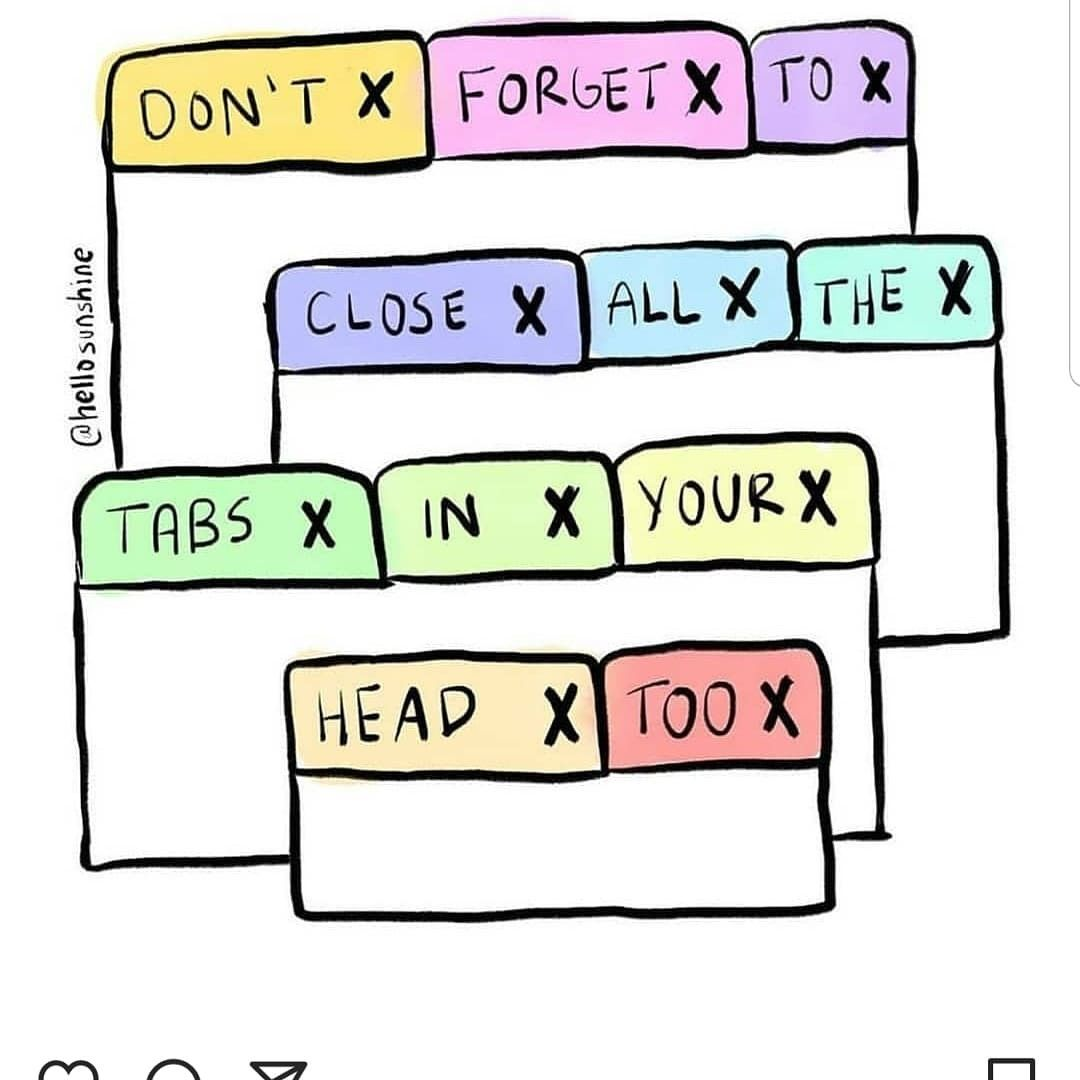
Credits: pinterest.com
There was a time when browser tabs were innocent.
You opened one to check a dashboard. Maybe compare prices. Maybe read an article you swore you’d come back to later. Then you forgot about it.
That should have been the end of the story.
Instead, something strange happened.
The tab stayed open.
And somewhere along the way, open stopped meaning idle.
A generation of software quietly changed the contract. Tabs are no longer static places you visit. They’ve become semi-living environments: listening, syncing, refreshing, monitoring, remembering, reconnecting, nudging, restoring context, and in some cases, politely refusing to die.
Close a tab today and you’re not really closing a page. You’re shutting down a temporary operating environment.
Your email tab is checking for new messages.
Your docs tab is autosaving every sentence you type.
Your project management tab is updating tasks assigned by someone in another time zone while you sleep.
Your music tab remembers where you left off.
Your analytics tab is collecting data from people currently landing on pages you forgot you published.
The browser stopped being a window into software and quietly became the place software lives.
That sounds obvious until you realize what it changed.
We used to install applications because software needed permanence. A place on your machine. A folder. A launch ritual. An icon with emotional significance.
Now permanence moved upward.
The app is no longer installed on your computer.
It’s installed in your habits.
Notion doesn’t need desktop dominance if one tab has achieved diplomatic immunity in your browser.
Neither does Slack.
Neither does Gmail.
The modern software moat isn’t storage. It’s tab residency.
Winning products aren’t just useful. They become impossible to justify closing.
This is a very different kind of lock-in.
Not technical lock-in. Psychological habitat lock-in.
Your browser has become a neighborhood of semi-permanent residents. Some pay rent. Some squat indefinitely.
A surprising amount of your digital life is now held together by tabs you are emotionally afraid to close.
Not because you’ll lose work.
Because you might lose continuity.
The open tab has become a promise to your future self:
“I’m not done with this version of my life yet.”
That unread article.
That flight search.
That apartment listing.
That half-built side project.
That spreadsheet pretending to be a business.
Tabs have become suspended intentions.
Little frozen states of becoming.
Which makes one thing increasingly funny:
For all the hype around AI agents, ambient computing, and invisible interfaces, the dominant user experience of modern computing is still dozens of rectangles waiting for your eventual return.
Not elegant.
Not futuristic.
Just emotionally loaded browser debt.
And maybe that’s why we keep them.
Not because they’re useful.
Because sometimes a tab isn’t a tab.
It’s evidence that a possibility is still open.